
What Boston Couples Regret Most About Wedding Planning in 2026 (And How to Avoid It In 2027)
If you’re planning a Boston wedding in 2026, you’ve probably already felt it: the pressure, the pace, the sense that decisions are happening faster than you expected. Dates are disappearing, vendors are booking out earlier than ever, and suddenly what felt like a long engagement now feels…tight.
Here’s the truth. After working closely with other couples like you who are planning 2026 weddings, there are patterns emerging. Not trends in florals or fashion, but in regret.
And no, not the dramatic, head-smack kind. We’re talking about the quiet, creeping kind. The kind that shows up mid-planning, when you realize you would do things differently if you could rewind just a few months.
The good news? Every single one of these regrets is preventable, if you know what to look for early enough.
Let’s talk about what Boston couples are already wishing they had done differently and how you can avoid ending up in the same place.
Waiting Too Long to Book Key Vendors
There’s a persistent myth that you have time. That after securing your venue, you can take a breath before locking in the rest of your team. That might have been true years ago. It’s not true anymore.
Boston’s wedding market is dense, competitive, and incredibly talent-driven. The vendors you’re seeing on Instagram, the ones whose work feels elevated, intentional, and seamless, are often tied to booked venues. Top photographers, videographers, and bands typically book out 12 months in advance, so your venue choice directly impacts who’s still available.
By the time many couples start reaching out, their top choices are already gone and they’re left piecing together a team instead of intentionally building one. And that shift matters. It impacts cohesion, communication, and ultimately how your wedding feels.
Avoid this by moving faster than you think you need to, or better yet, by having someone guide that process from the start.
Underestimating What a Boston Wedding Actually Costs
This is the one that catches almost everyone off guard.
Not because couples aren’t budgeting, but because they’re relying on outdated or overly general information that doesn’t reflect Boston’s current market. Venue fees, catering minimums, service charges, rentals, transportation: it adds up quickly, often in ways that aren’t obvious at the beginning.
What starts as a “reasonable” budget can quietly (or not so quietly) stretch far beyond expectations without a clear plan guiding where the money is actually going. And once contracts are signed, it’s very difficult to course-correct.
The couples who feel the most confident in their spending aren’t necessarily spending less, they’re spending with clarity from the beginning and we want that to be you.
Choosing a Venue Without Thinking Through the Full Experience
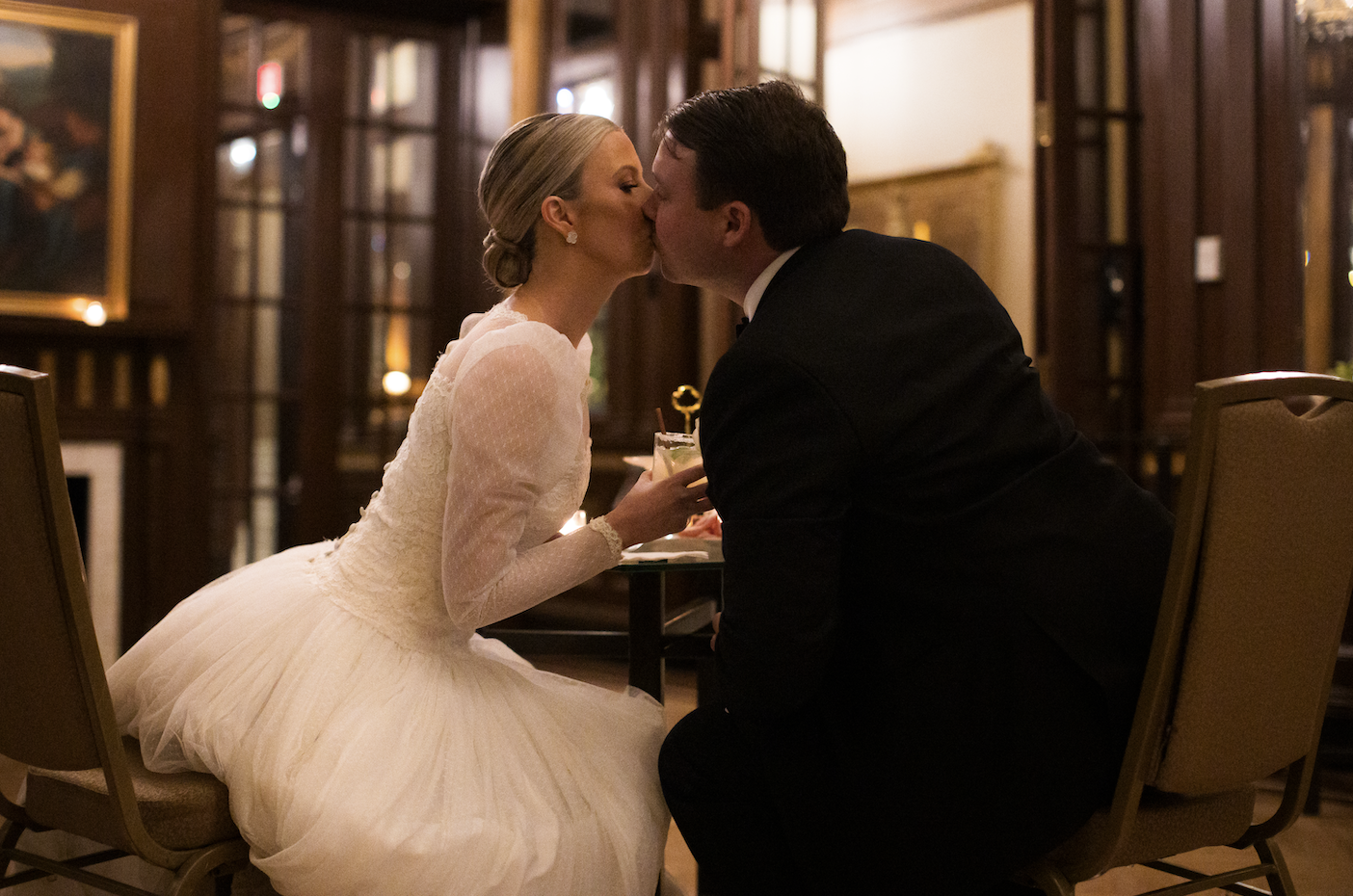
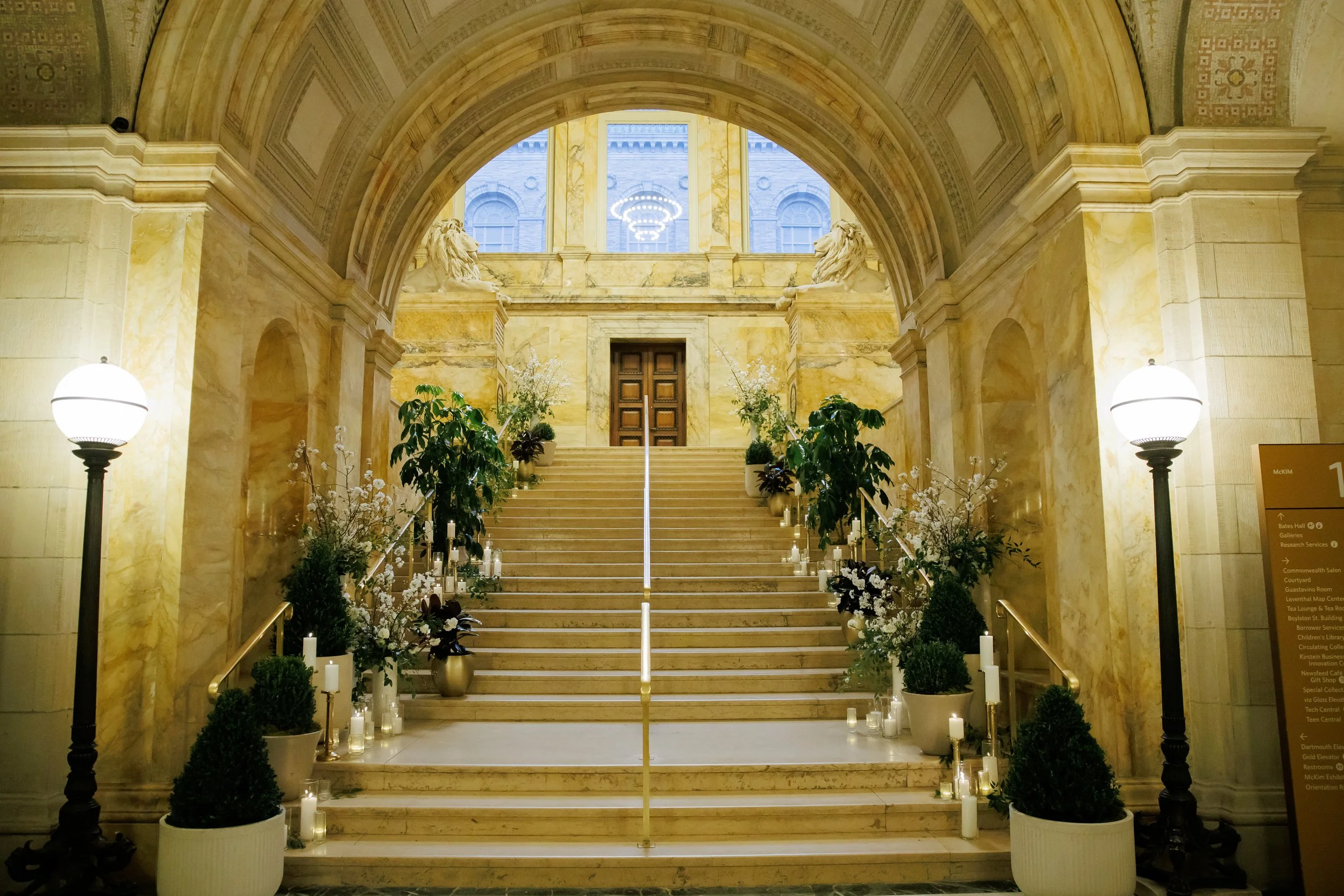
It’s easy to fall in love with a space. The architecture, the light, the way it photographs. We get it.
But what doesn’t always get considered, at least not right away, is how that space actually functions on a wedding day.
Where do guests park? How do they move from the ceremony to cocktail hour? What happens if it rains and would you be just as happy with that scenario? And what does it actually take to bring your vision to life in this space?
A venue can be stunning on paper (and in person) but incredibly complex in practice. Those complexities often show up later, when it’s harder (and more expensive) to solve them. The right venue isn’t just beautiful. It supports the flow, the logistics, and the experience you want your guests to have.
Trying to DIY More Than You Should
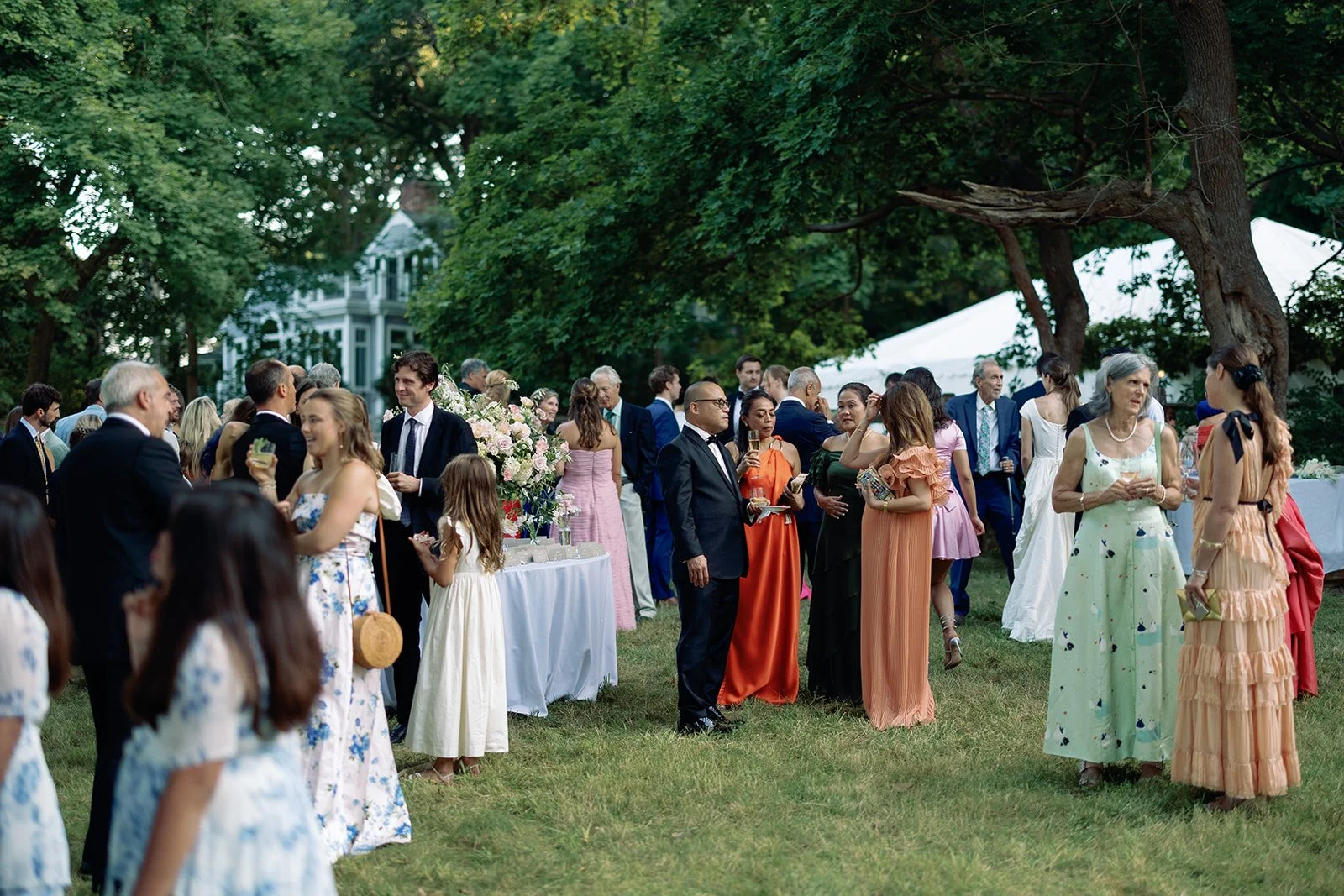
There’s a difference between personal design touches and DIY, and that line gets blurred quickly.
Couples like you always start with intention (which we love): handwritten notes, custom seating displays, and maybe even invitation suites. But without realizing it, those ideas expand into full projects that require time, coordination, setup, and execution.
And all of that has to happen while you’re also trying to be present in your wedding weekend.
What felt meaningful at the beginning can quickly become overwhelming, turning into responsibilities you’re carrying right up until the moment you walk down the aisle. The goal isn’t to remove personality from your wedding, it’s to protect your experience around it.
Not Hiring a Planner Early Enough
This is the thread that runs through almost every regret.
Not because couples like you don’t see the value of a planner, but because they underestimate when that value matters most. Many people wait until they feel overwhelmed, and decisions are stacking up. But by then, a lot of the foundational decisions have already been made and we’ve already established the importance or those decisions.
The truth is, a planner doesn’t just manage your wedding, they shape it. And that shaping happens at the very beginning, not halfway through.
From vendor selection and budget allocation, to catering preferences and timeline structure, having guidance early changes everything that follows.
What I’m Seeing With 2026 Boston Weddings Right Now
Things are happening sooner and moving more quickly, but with clear guidance, leaving less room for hesitation.
Couples who are having the smoothest planning experiences aren’t necessarily the ones with the biggest budgets or the longest engagements. They’re the ones who made clear decisions early and had the right support to qualify those decisions.
The difference isn’t luck. It’s structure.
So How Do You Avoid These Regrets?
We’ve walked you through how to avoid these regrets, but let’s be clear: you don’t need to do everything perfectly. You do need to make the right decisions, at the right time, with the right support behind you.
That’s what keeps the stress, the second-guessing, and the “we wish we had…” moments from ever taking hold in the first place.
Explore More Wedding Planning Resources
The First Five Steps to Planning a New England Wedding
Building Your Dream Vendor Team in Boston (Without the Overwhelm)
Crafting a Boston Wedding Day Timeline That Feels Effortless
Guest Experience Secrets: What Boston Wedding Guests Will Actually Remember
Designing with Intention: How to Create a Cohesive Vision for a Boston Wedding
Personalizing Without Pressure: Making Your Boston Wedding Day Feel Like Yours
The Ultimate Boston Wedding Guide
The Coziest Boston Winter Wedding Ideas for 2026 Couples
What It Feels Like to Work With a New England Full Service Wedding Planner
How a Boston Wedding Planner Thinks: Planning Seamless Weddings in Boston
Boston Public Library Wedding Venue Showcase
Best Cape Cod Wedding Venues for a Spring Wedding Design
How to Translate 2026 Fashion Trends into a Wedding in Boston
Behind the Scenes, Real Weddings, Real Moments
A Cityside Celebration of Style & Sentiment, Boston Harbor Hotel
An Elegant Seaside Celebration, Wequassett
A Color-Blocked Tented Celebration, Myopia Hunt Club
A Quintessential Coastal Cape Wedding, Wychmere Dune Venue
Real Weddings, Real Moments: NYE Wedding at the Mandarin Oriental Boston
