
How to Plan a New England Wedding That Feels Like You, Not Pinterest
Planning a New England Wedding That Actually Reflects You
Spring in New England has a way of pulling couples into inspiration overload. One minute you’re casually browsing ideas, and the next you’re deep into curated boards, filled with color palettes, linen textures, and ceremony backdrops that all start to blur together.
This is usually where personalized wedding planning starts to slip.
Because instead of asking what feels right for them, couples start asking what looks right online. And those are two very different things.
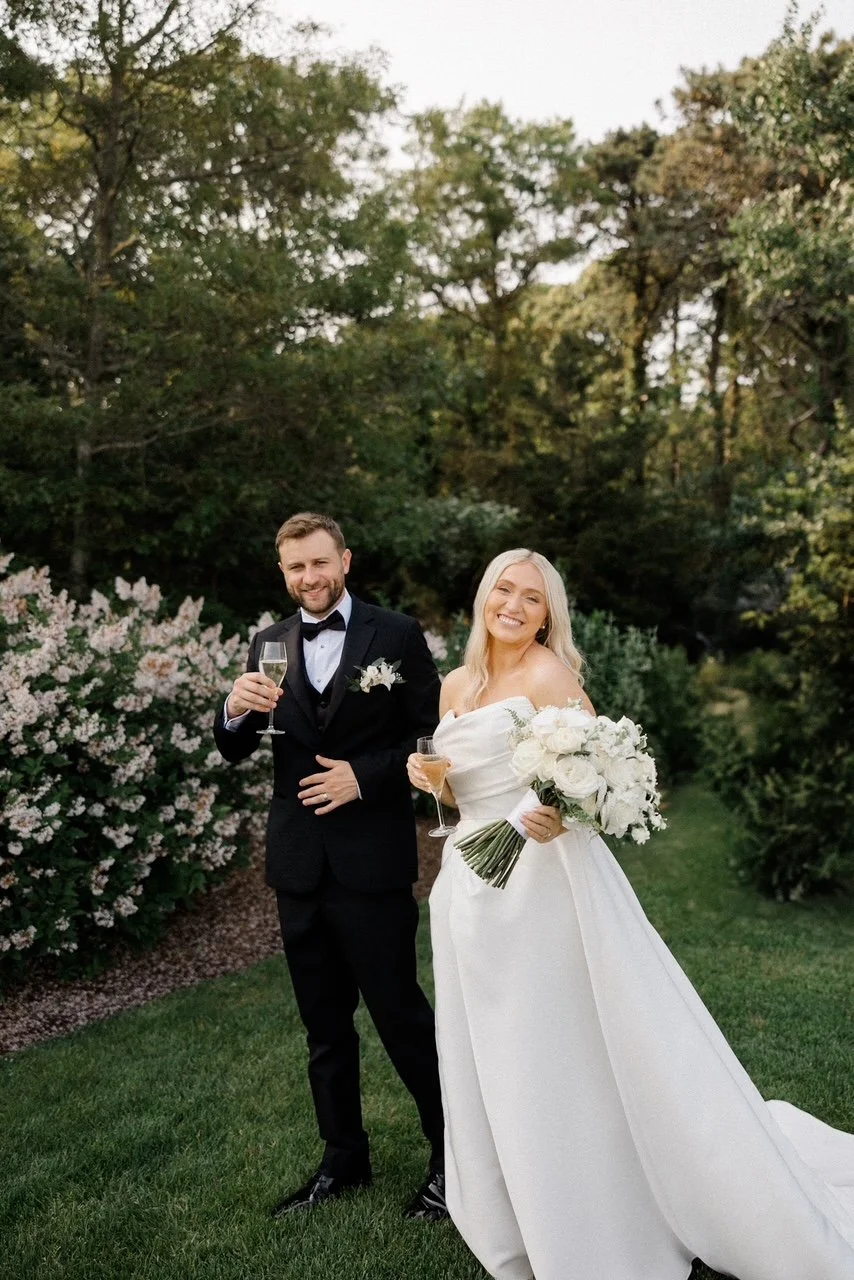
The weddings that stay with people, the ones guests talk about years later, aren’t the ones that looked the most like Pinterest. They’re the ones that felt intentional, grounded, and deeply personal. That’s the foundation of authentic wedding design, and it’s something you build from the inside out.
Why Pinterest Isn’t the Problem (But How You Use It Might Be)
Let’s be clear, Pinterest isn’t the enemy. It’s a tool. But it becomes a problem when it replaces decision-making instead of supporting it.
If every choice you make is based on something you saw someone else do, your wedding slowly becomes a collection of borrowed ideas. Beautiful? Yes. Memorable to you? Not always.
The shift happens when you treat inspiration as a reference point, not a blueprint.
Instead of saving everything that looks good, start asking:
Would we actually enjoy this?
Does this reflect how we spend time together?
Does this feel like our version of hosting?
Those questions will guide you toward authentic wedding design instead of a replicated aesthetic.
The Rise of the “Love Story Aesthetic”
There’s a reason the “love story aesthetic” trend is gaining traction, it’s a response to years of overly curated, trend-driven weddings.
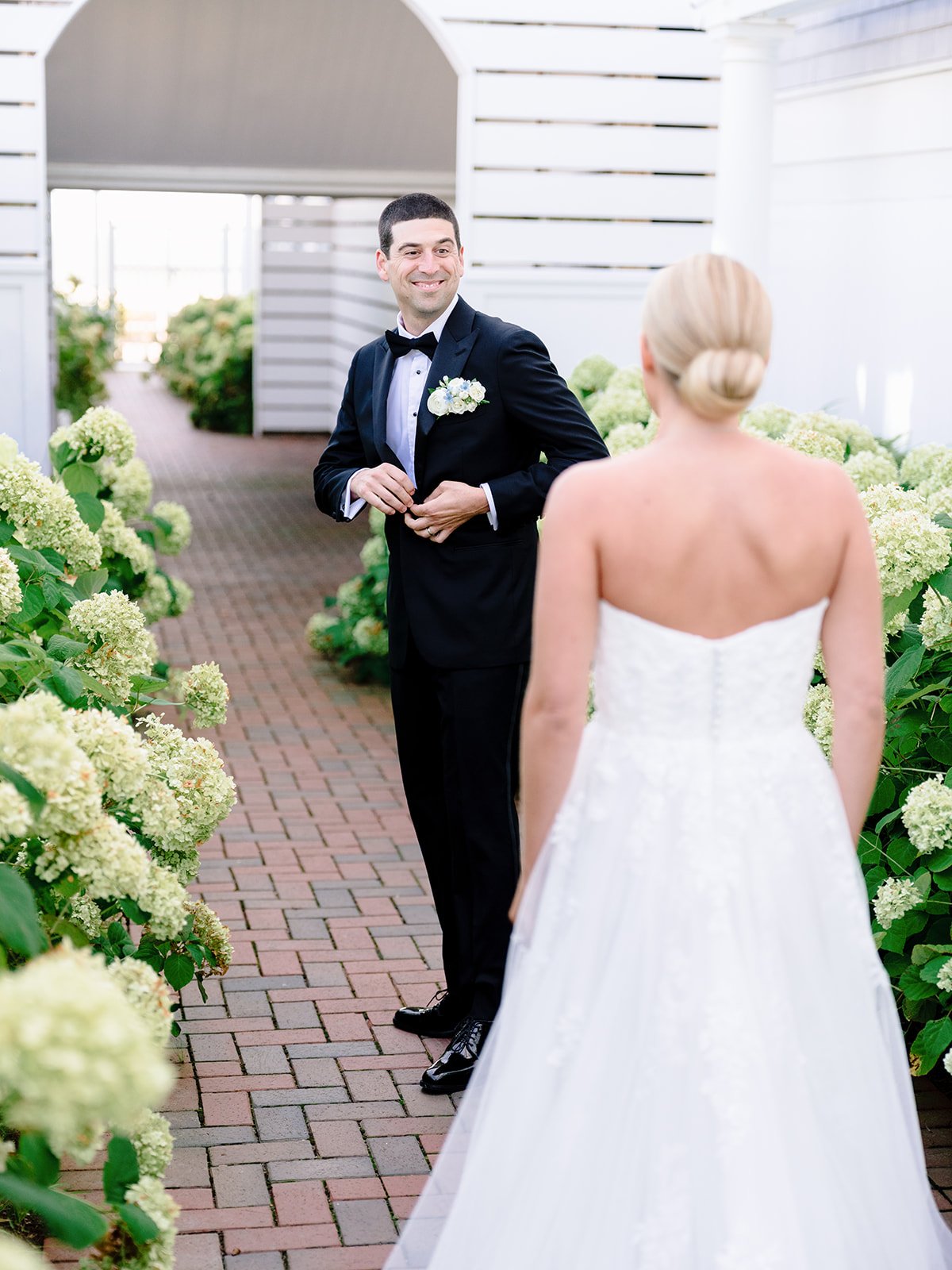
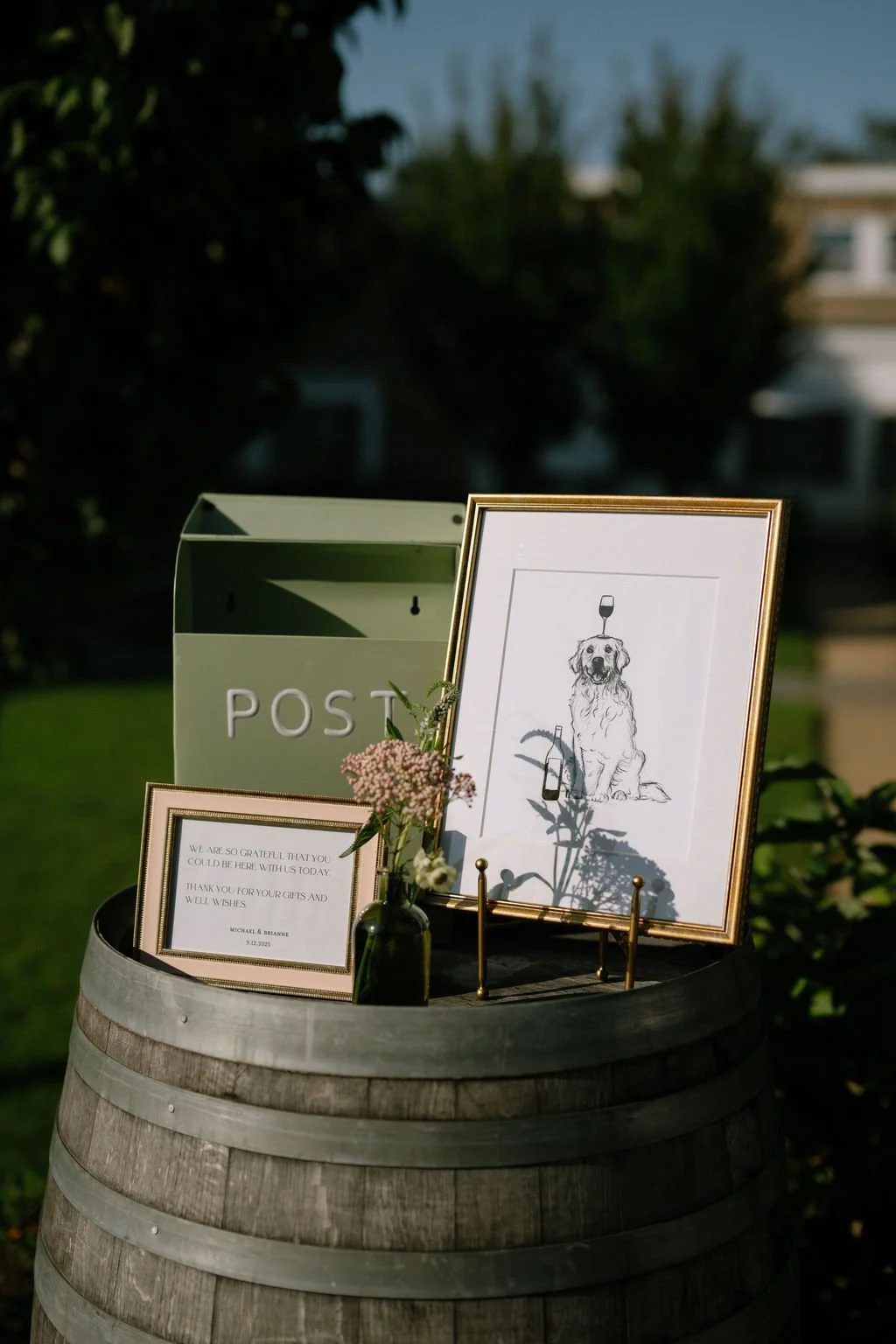
But here’s what most people miss: this isn’t about adding signage showcasing the weekend’s events or printing your pet on cocktail napkins. It’s about designing a wedding that feels like a natural extension of your relationship.
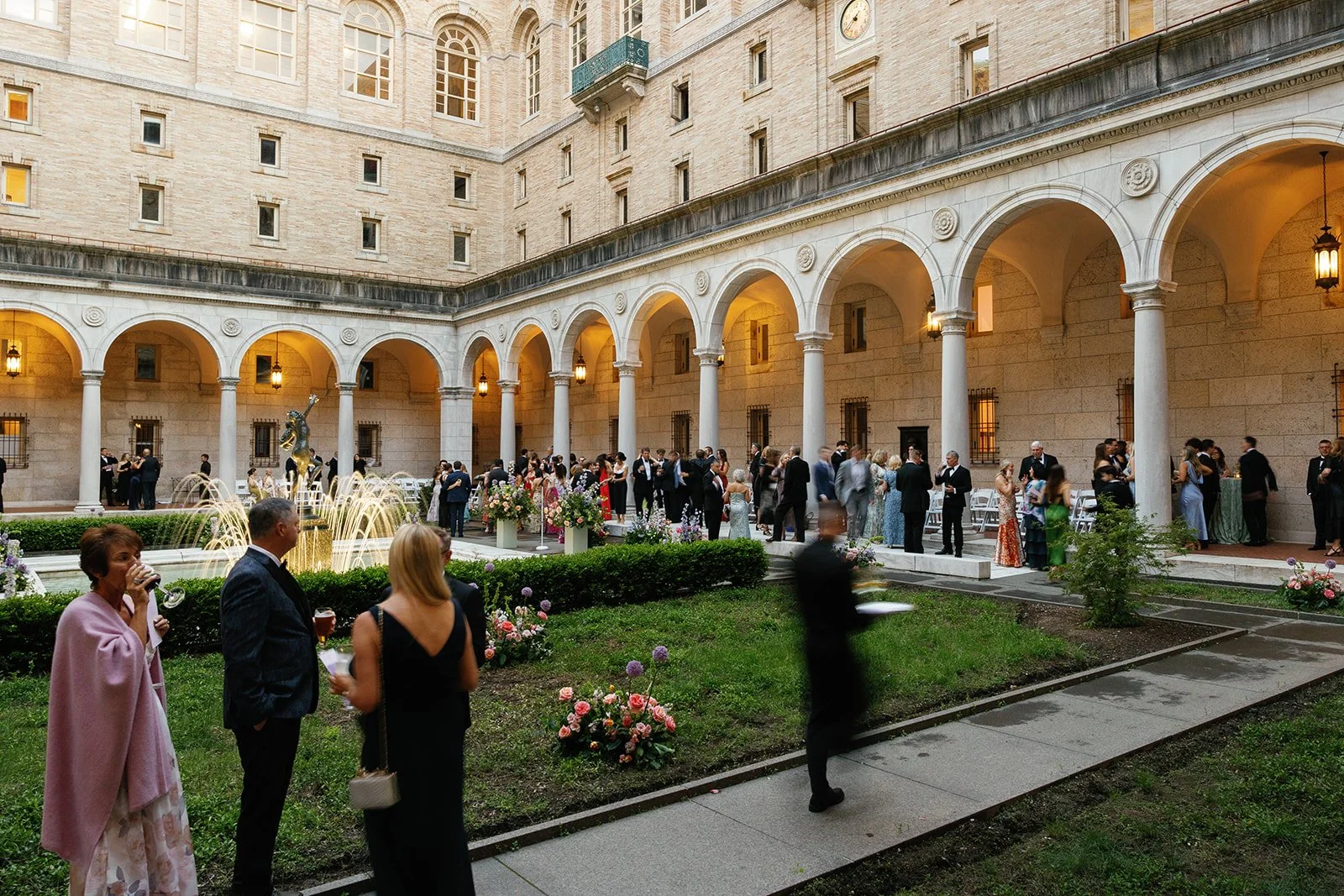
In New England especially, this can show up in subtle but meaningful ways. For instance, choosing a venue that mirrors how you actually spend time (coastal weekends, mountain escapes, historic city spaces); Prioritizing guest experience over visual perfection, and finding ways to incorporate family traditions, or intentionally redefining them.
This is where wedding planning guidance becomes less about logistics and more about alignment.
Start With Your Real Life, Not the Aesthetic
Before you make a single design decision, pause here. Think about your real life together, not your highlight reel.
Do you:
Host intimate dinners or big gatherings?
Love structure, or prefer things to feel relaxed?
Gravitate toward classic, modern, or a style in between?
Your answers should shape everything from your timeline and layout, to your design direction and guest priorities.
For example, a couple who loves slow, intentional weekends on the Cape might lean into a coastal, multi-day celebration that feels relaxed and immersive. A couple rooted in Boston city life might design something more structured, modern, and energetic.
Both are beautiful. Only one will feel like you.
Design Choices That Actually Make a Wedding Feel Personal
When couples think about personalization, they often jump straight to details. But the most impactful decisions happen earlier.
Here’s where to focus:
1. Guest Experience Over Visual Trends
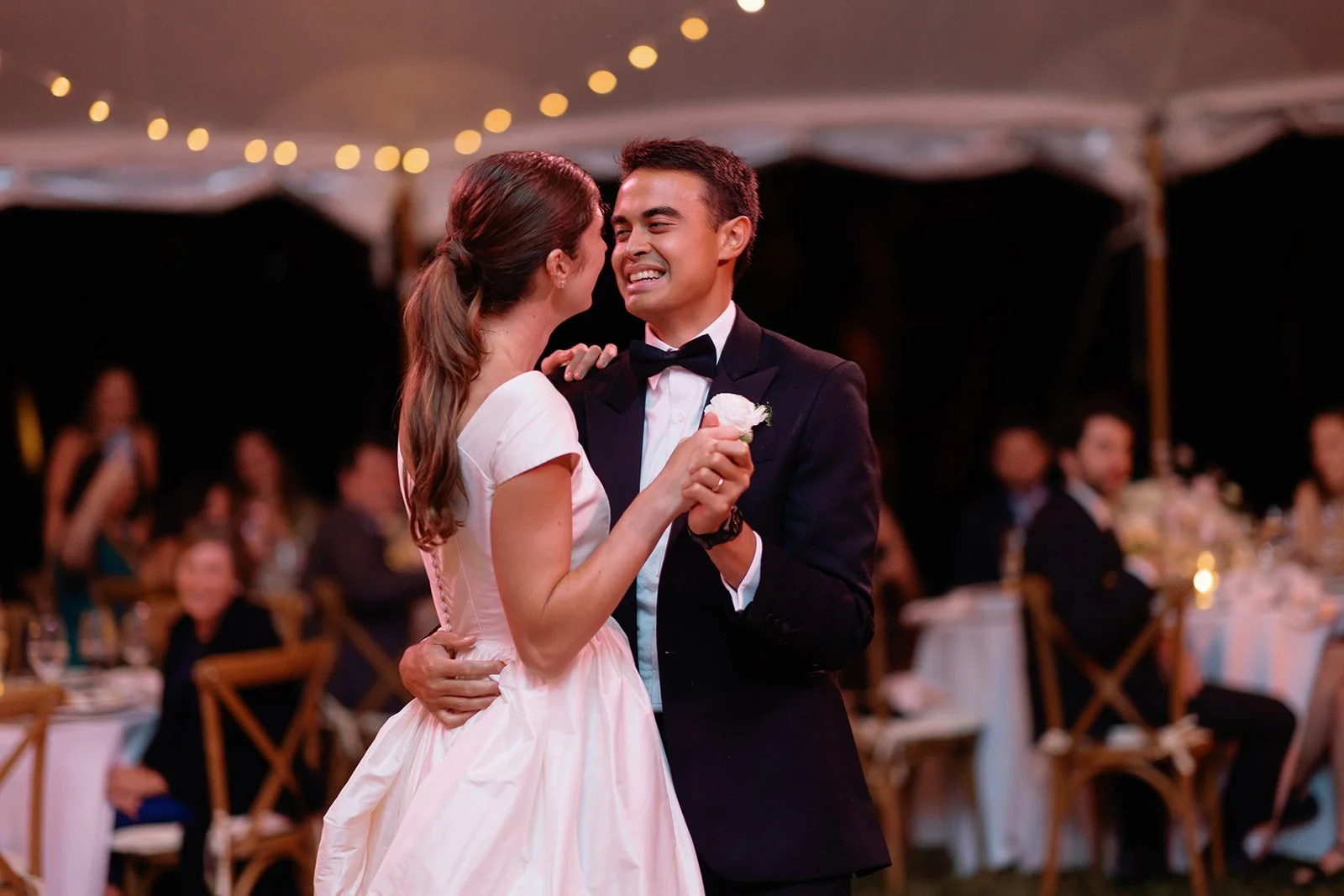
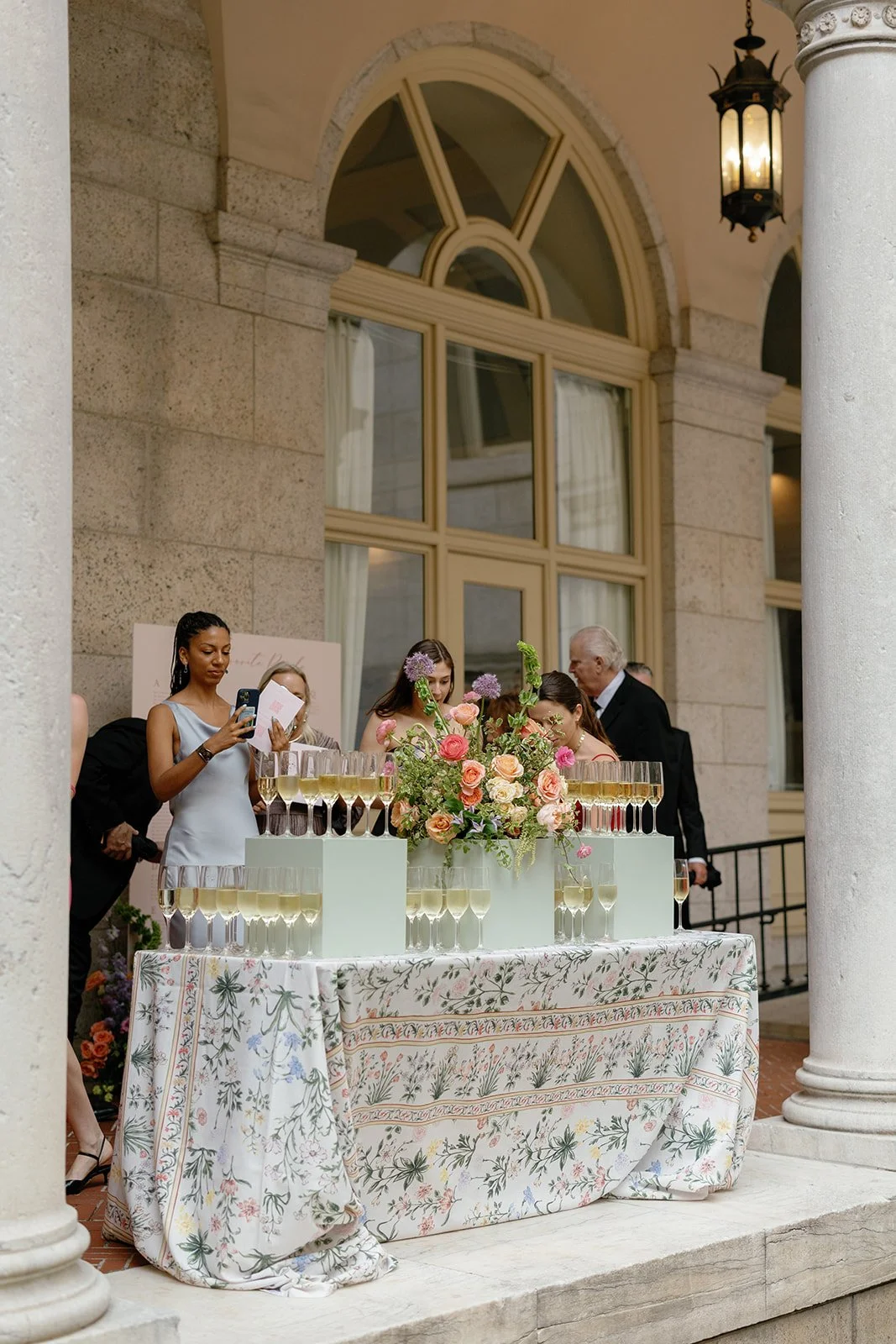
Your guests won’t remember your exact color palette, but they will remember how the day felt. Comfortable pacing, thoughtful flow, and moments to connect matter more than perfectly styled tables.
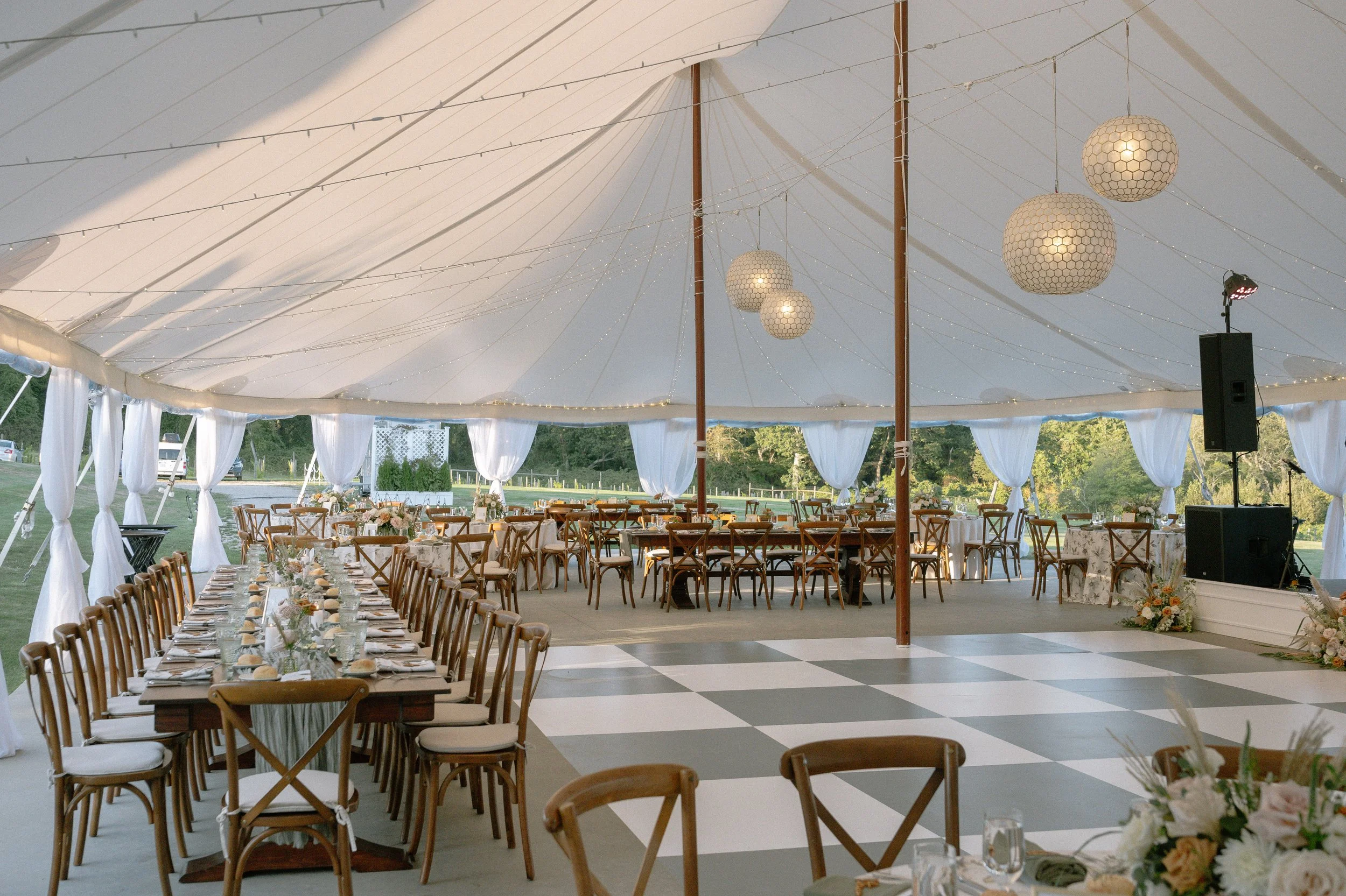
Your venue does more than hold your wedding, it sets the tone. In New England, that might mean a coastal estate, a historic inn, or a private property that reflects your lifestyle.
3. Intentional Timeline Design
A rushed timeline can undo even the most beautiful design. Build a day that gives you space to actually experience it.
4. Design That Supports the Atmosphere
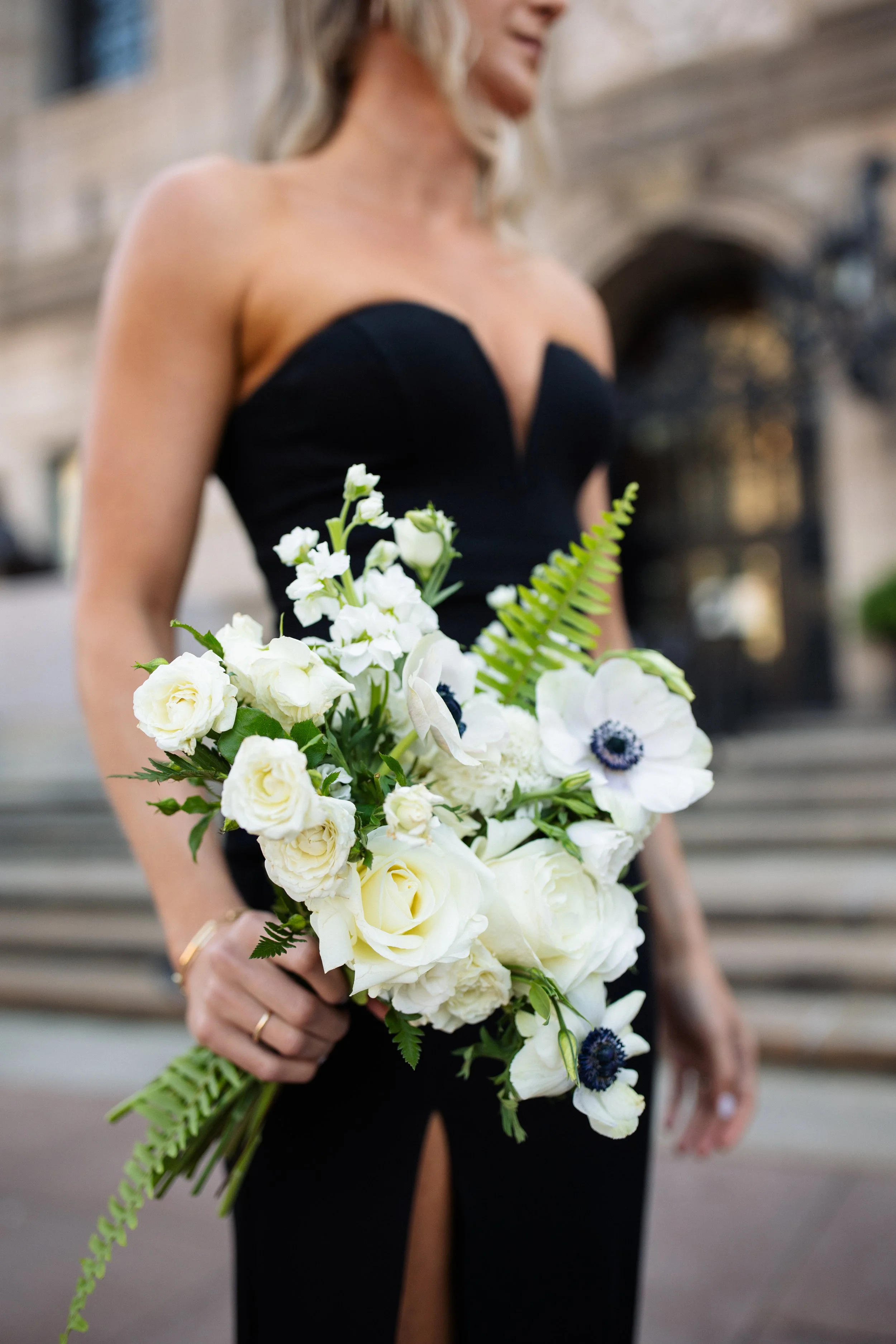
Florals, rentals, and styling should enhance the feeling you’re creating, not compete with it. This is the difference between a wedding that looks good and one that feels right.
The Moment Most Couples Get Off Track
It usually happens midway through planning.
You’ve made a few decisions, you’re seeing more inspiration, and suddenly you’re second-guessing everything. You start layering in ideas that don’t quite connect, trying to “elevate” the design.
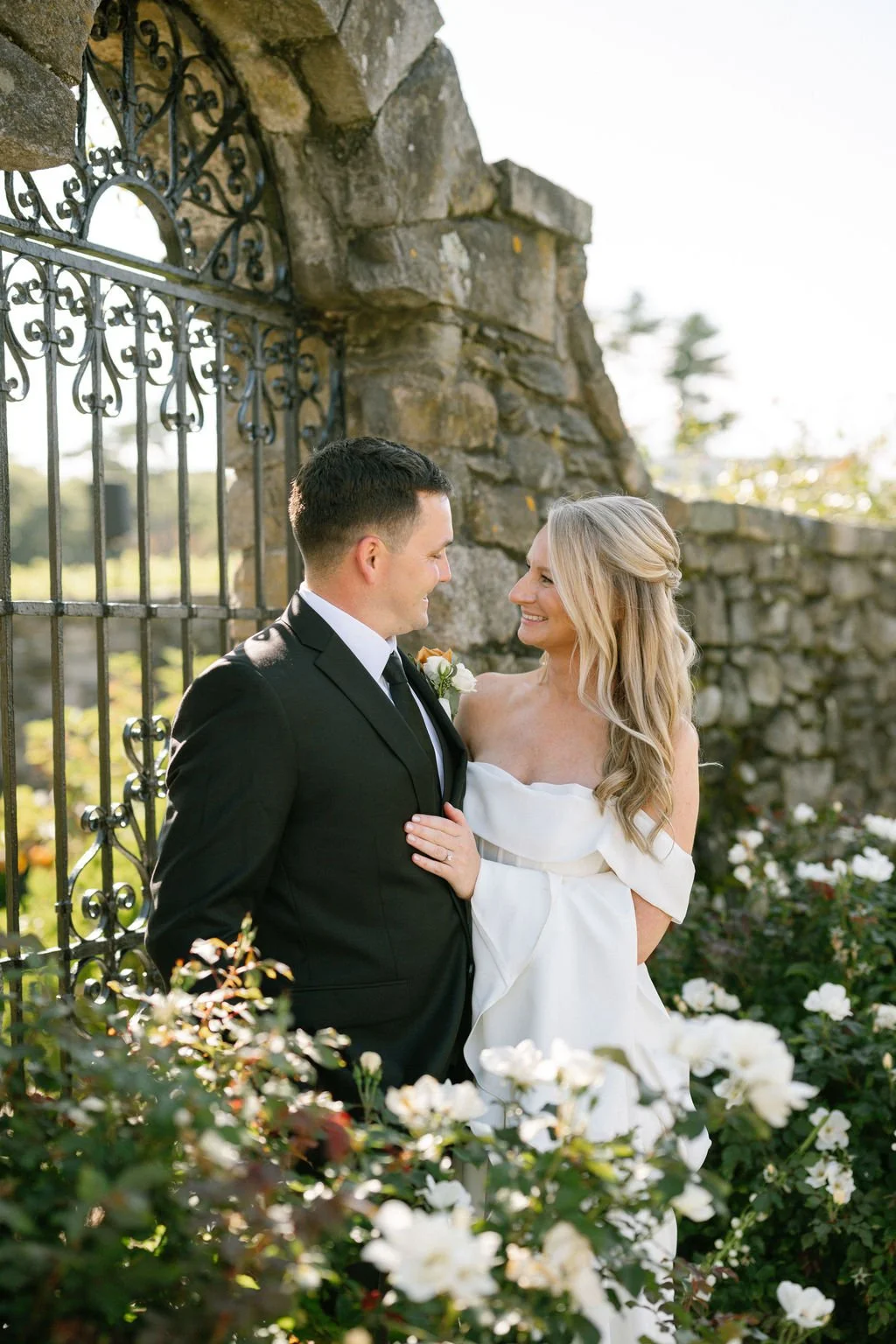
This is where weddings lose their sense of identity. If something doesn’t align with your original vision, it doesn’t belong, no matter how beautiful it is. Staying consistent is what creates a cohesive, effortless experience.
You Don’t Need More Ideas, You Need a Filter
The goal isn’t to eliminate inspiration. It’s to filter it.
When you approach planning with clarity, every decision becomes easier:
You know what to say yes to
You know what to skip
You trust your instincts instead of chasing trends
That’s what makes personalized wedding planning feel calm instead of overwhelming.
Explore More Wedding Planning Resources
The First Five Steps to Planning a New England Wedding
Building Your Dream Vendor Team in Boston (Without the Overwhelm)
Crafting a Boston Wedding Day Timeline That Feels Effortless
Guest Experience Secrets: What Boston Wedding Guests Will Actually Remember
Designing with Intention: How to Create a Cohesive Vision for a Boston Wedding
Personalizing Without Pressure: Making Your Boston Wedding Day Feel Like Yours
The Ultimate Boston Wedding Guide
The Coziest Boston Winter Wedding Ideas for 2026 Couples
What It Feels Like to Work With a New England Full Service Wedding Planner
How a Boston Wedding Planner Thinks: Planning Seamless Weddings in Boston
Boston Public Library Wedding Venue Showcase
Best Cape Cod Wedding Venues for a Spring Wedding Design
How to Translate 2026 Fashion Trends into a Wedding in Boston
Behind the Scenes, Real Weddings, Real Moments
A Cityside Celebration of Style & Sentiment, Boston Harbor Hotel
An Elegant Seaside Celebration, Wequassett
A Color-Blocked Tented Celebration, Myopia Hunt Club
A Quintessential Coastal Cape Wedding, Wychmere Dune Venue
Real Weddings, Real Moments: NYE Wedding at the Mandarin Oriental Boston
