
How to Translate 2026 Fashion Trends into a Wedding in Boston
The Future of Boston Wedding Design
Rooted in Texture, Depth, and Intention.
If you’ve been paying attention to 2026 fashion trends, you’ve probably noticed a shift away from minimal, flat design and toward something much more dimensional. Think layered fabrics, high-contrast palettes, and materials that feel as good as they look.
That same shift is happening in weddings, especially here in Boston, where historic architecture and modern venues naturally lend themselves to richer, more immersive design.
And when you translate those fashion-forward elements into a wedding setting, the result is something that feels elevated, editorial, and completely personal.
Why 2026 Fashion Trends Matter for Boston Wedding Design
Boston weddings are rarely one-note. Between industrial venues, historic buildings, and modern spaces, there is a real opportunity to create a design that feels layered and intentional.
Fashion in 2026 is leading that shift by prioritizing texture over simplicity, movement over rigidity, and contrast over uniformity. When these ideas are applied to weddings, the result moves beyond something that is simply “pretty” and into an experience that feels immersive and atmospheric.
Our recent styled shoot fully embraced this direction. We used lighting, fabric, and florals to build a moody, layered environment that felt more like a fashion editorial than a traditional reception.
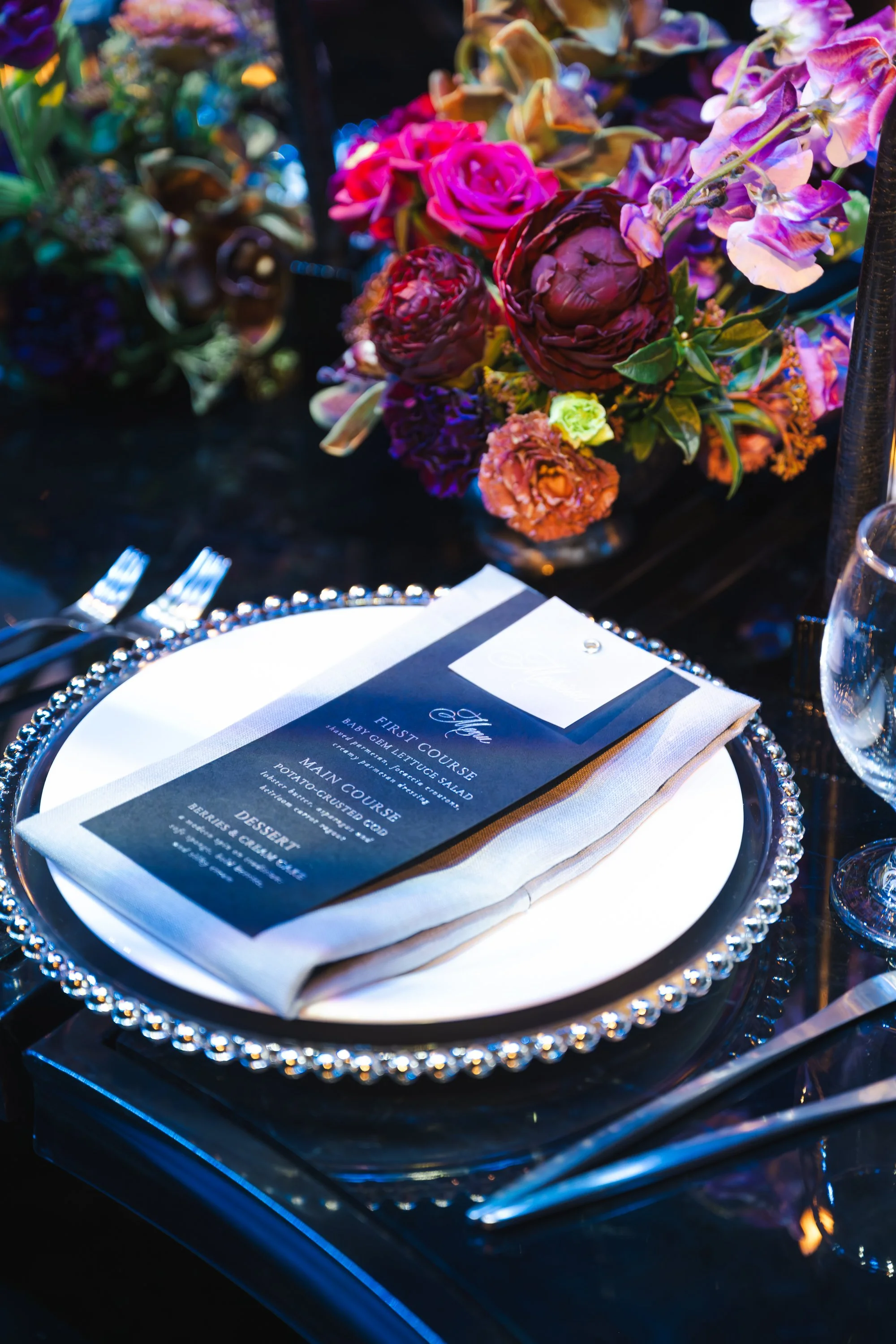
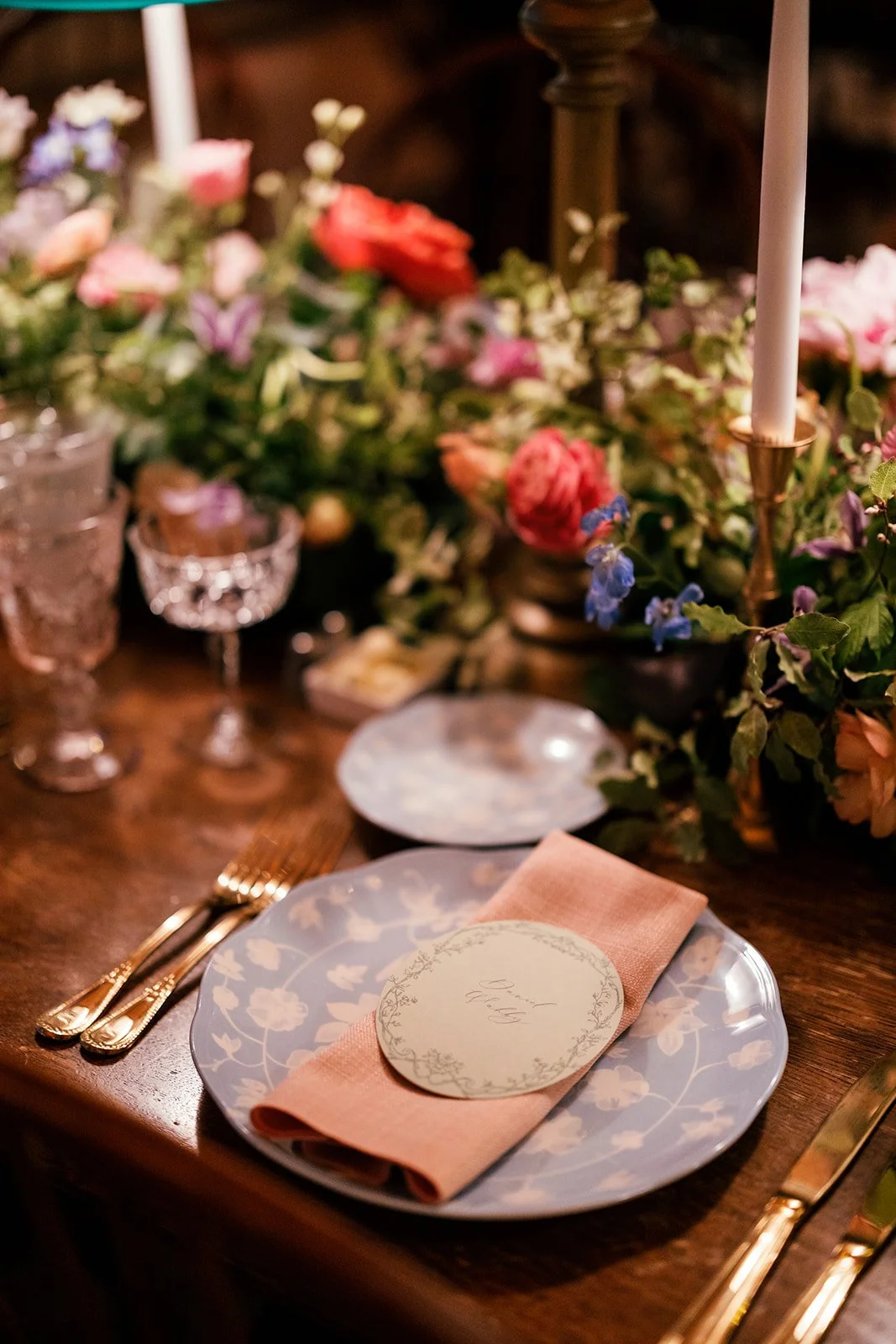
One of the biggest takeaways from 2026 fashion is the renewed emphasis on tactile materials. We are seeing a strong presence of textured fabrics, layered textiles, and the intentional contrast between matte and shine.
In our recent styled shoot, this was translated through velvet linens, creative patterns, and layered place settings that added visual weight to the table. Instead of a flat tablescape, every surface carried dimension, from the texture of the linen to the reflective quality of the glassware.
This is where Boston wedding design is heading. Not minimal. Not sparse. But intentional layering that creates depth.
Satin, Lace, and Structured Silhouettes in Bridal Fashion
Fashion has always been one of the clearest indicators of what’s coming next in weddings, and 2026 is no exception. What we’re seeing in bridal design right now is a shift toward originality. Where every fabric, silhouette, and detail feels deliberate rather than decorative.
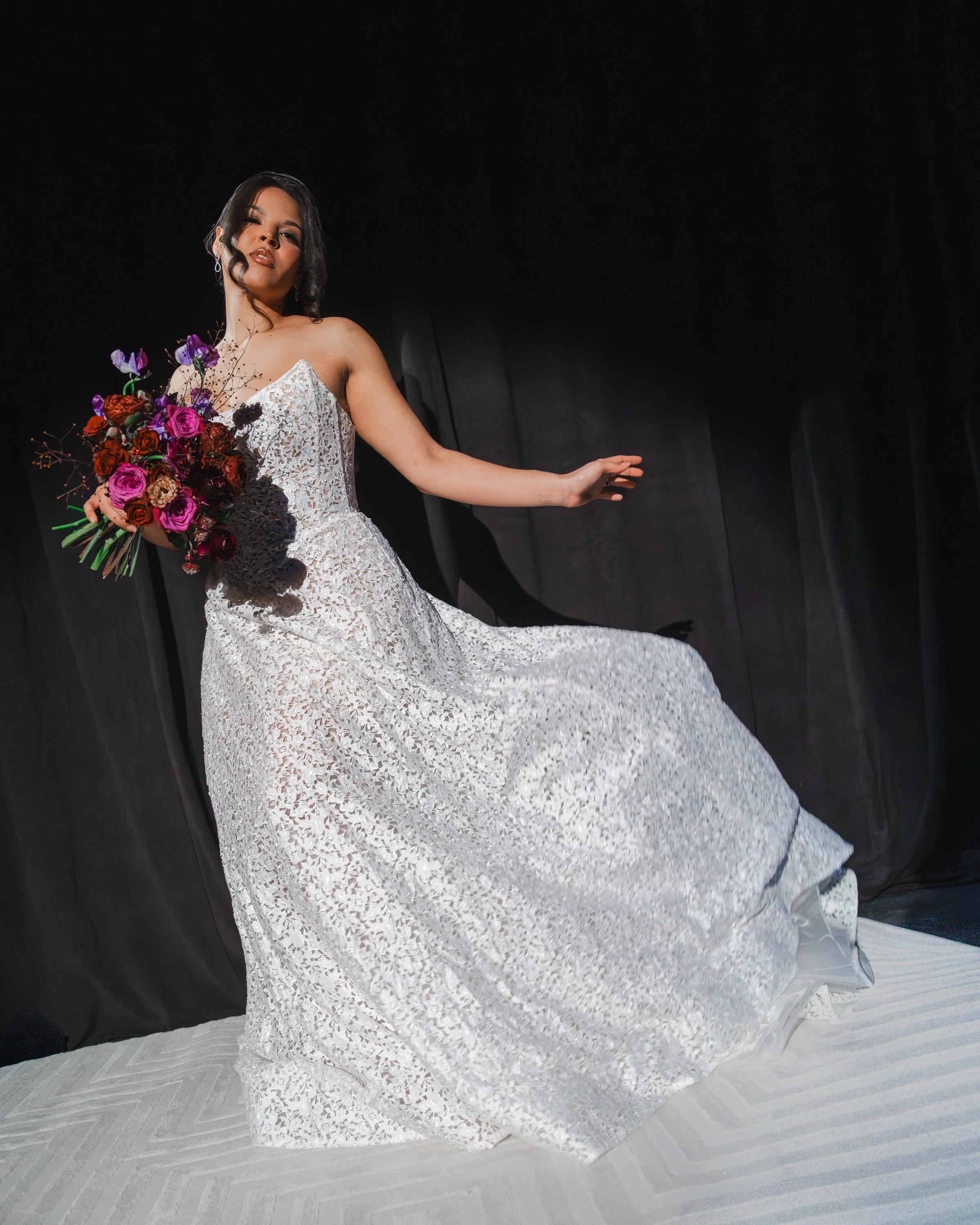
For 2026, bridal fashion is leaning into sculptural satin, draped silhouettes, and modern lace that carries real texture. There is a strong emphasis on clean lines, but they are often paired with dramatic volume, creating a balance between minimalism and impact.
In our shoot, the contrast between satin and lace told a clear visual story. Satin brought structure, polish, and a sense of modern restraint, while lace introduced romance, movement, and intricate detail. The two worked together rather than competing, creating a layered look that felt elevated and intentional.
That same contrast can and should extend beyond the dress and into the overall wedding design. The materials and shapes you choose for your tables, florals, and linens should echo what you are wearing, not exist separately from it.
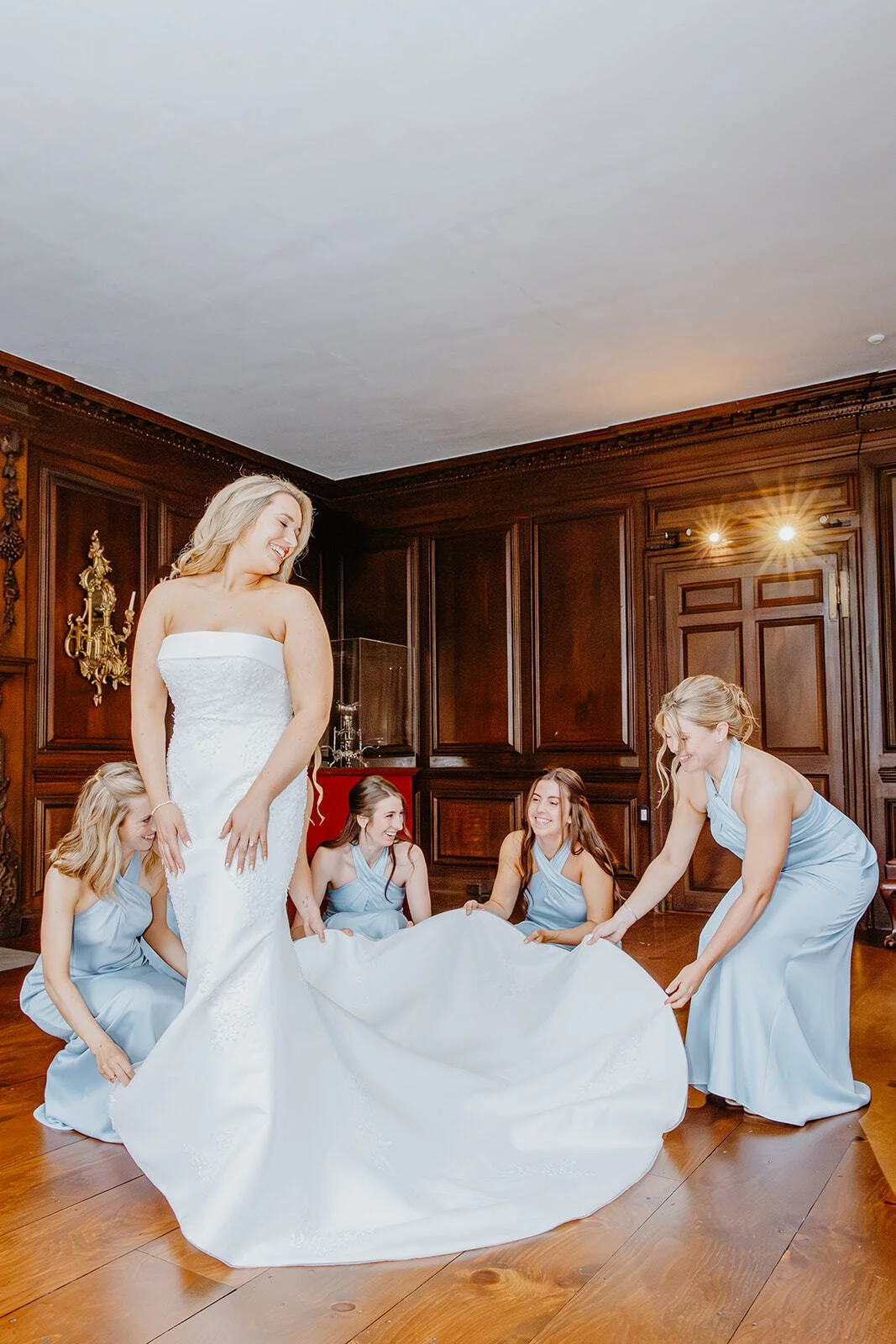
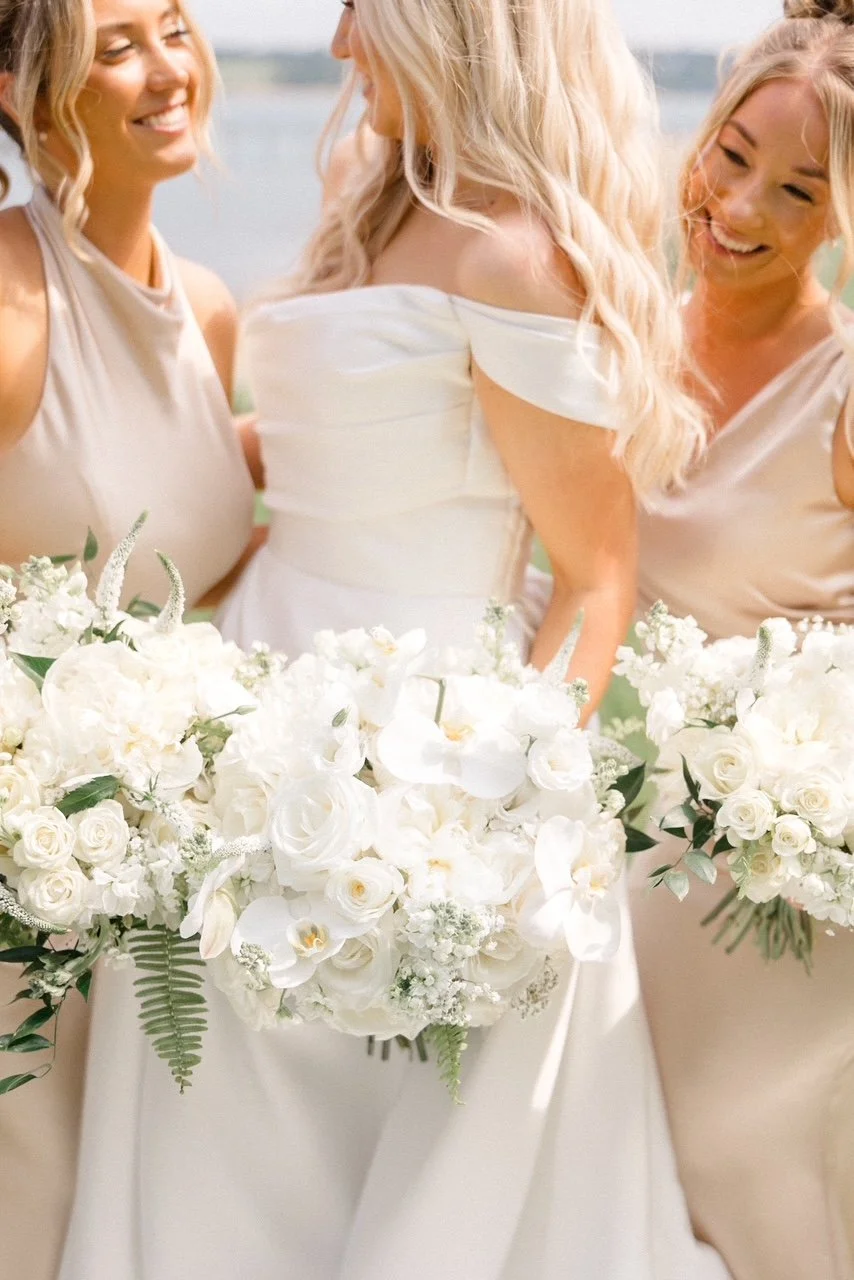
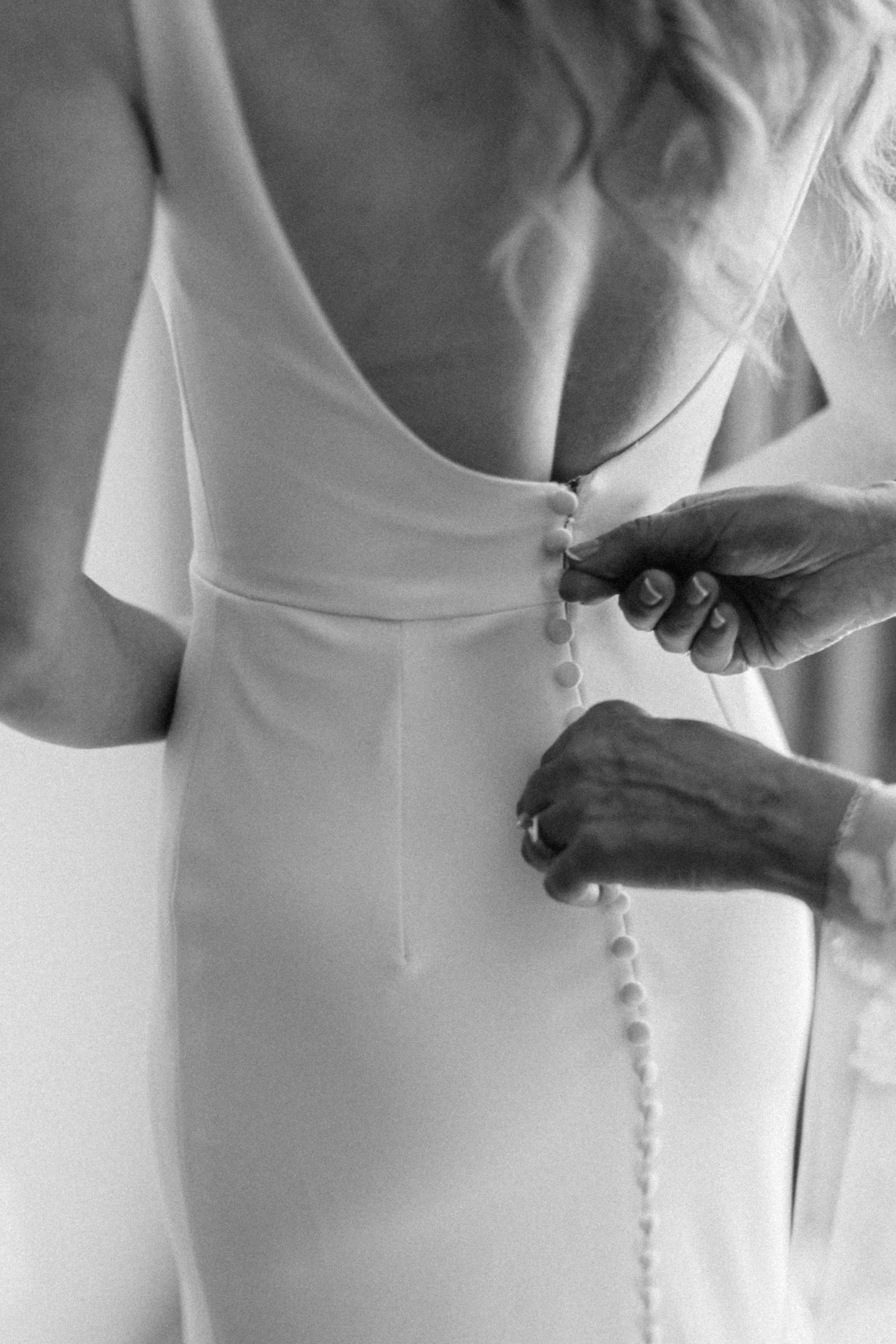
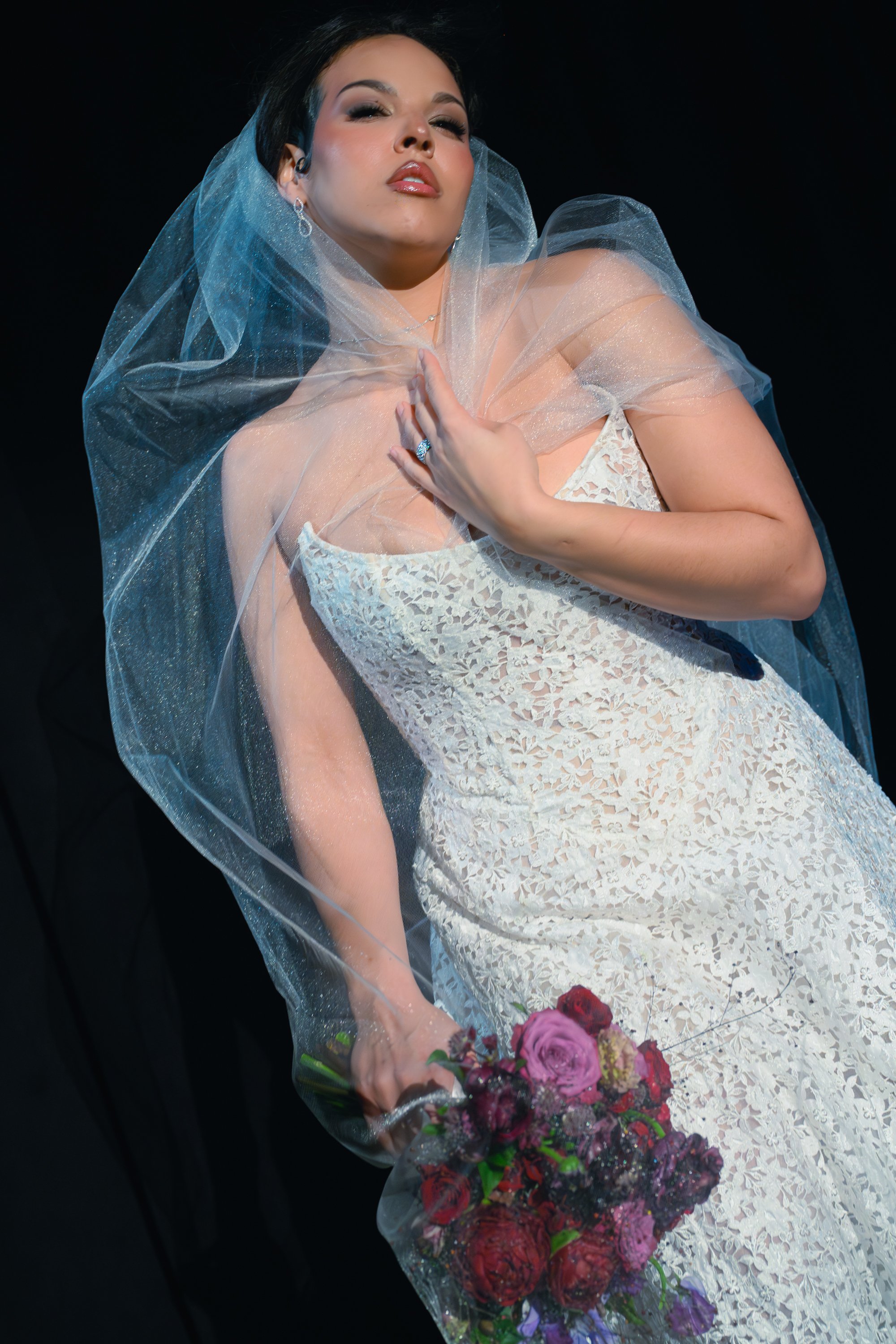
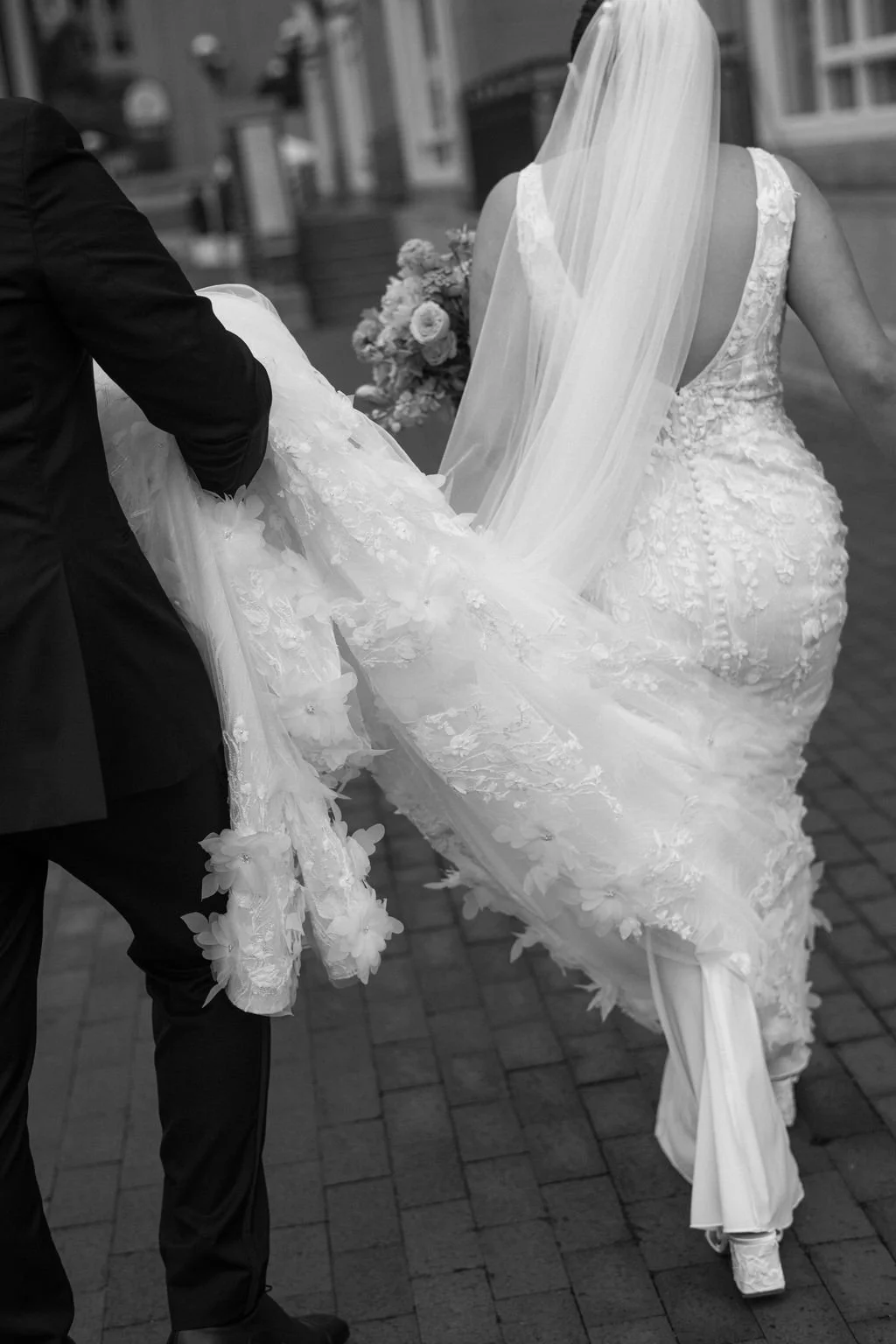
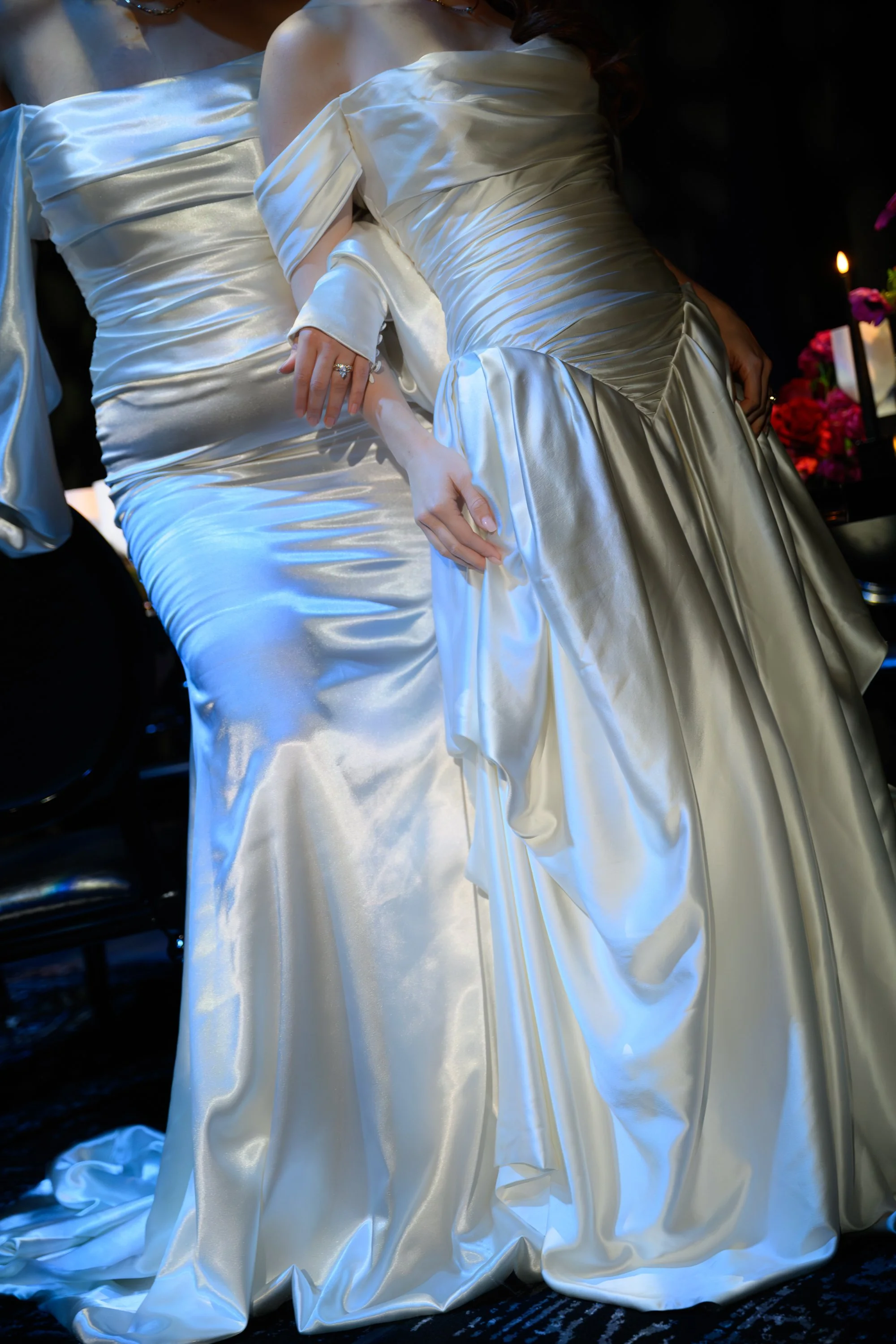
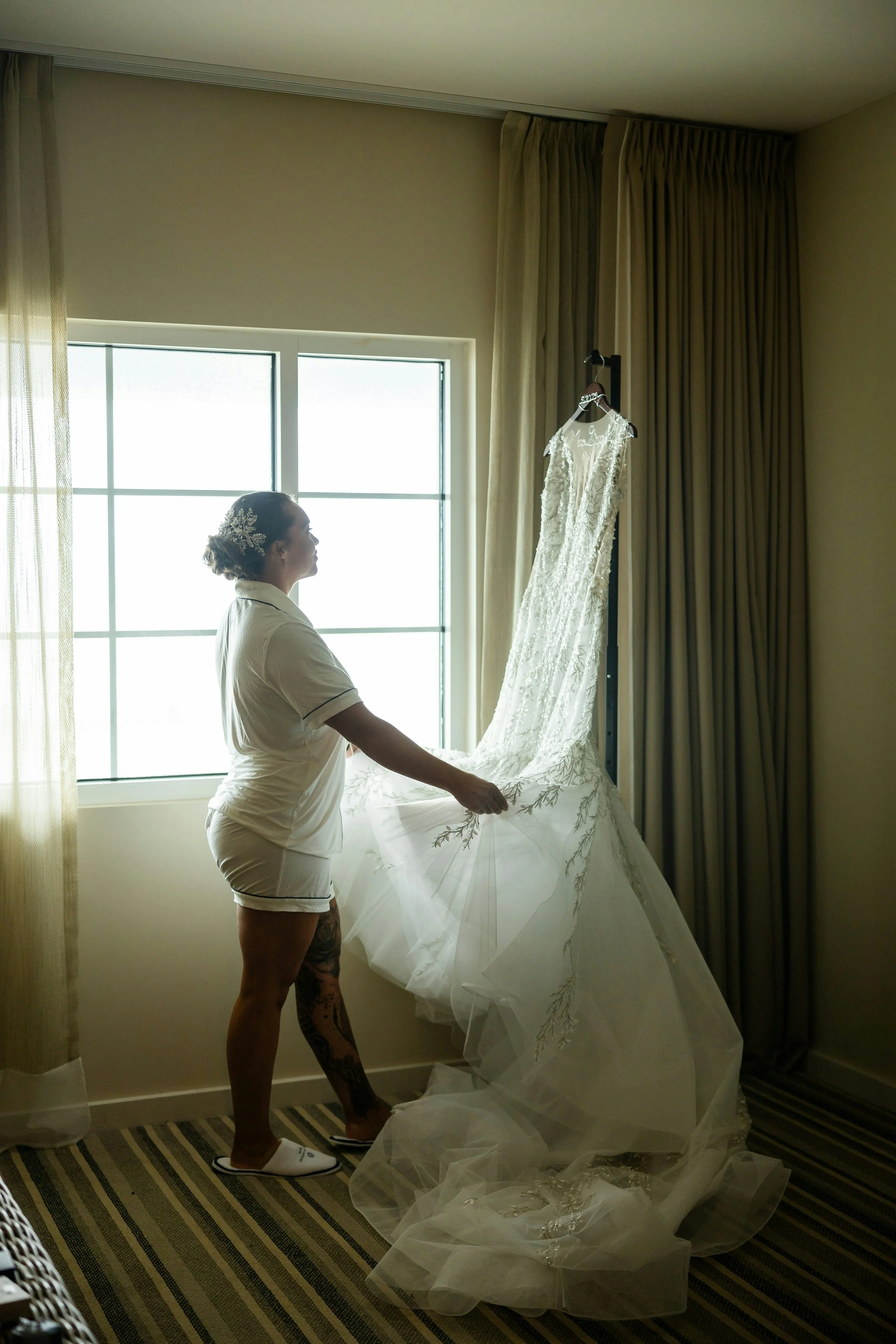
Your dress should never feel disconnected from your environment. When the textures, silhouettes, and tones are aligned across every element, the entire wedding begins to feel cohesive.
Instead of a series of individual design decisions, the day reads as one fully curated experience, where fashion and environment are in conversation with each other from start to finish.
Details That Feel Like Fashion Accessories
The most overlooked opportunities in wedding design are the smaller details.
In fashion, accessories are what complete the look, and the same principle applies to wedding design. The finishing touches are what bring cohesion, personality, and depth to the overall aesthetic.
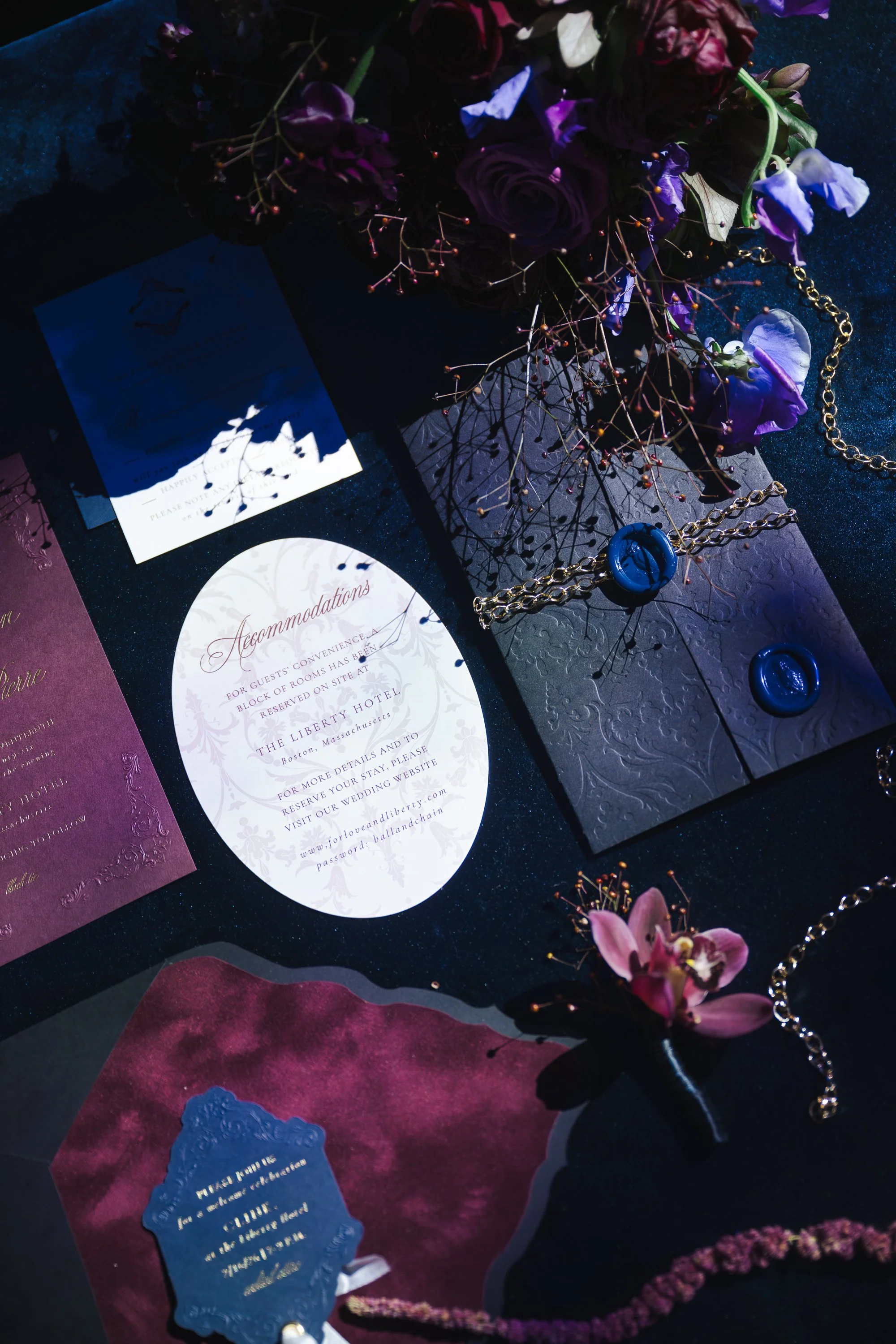
This can show up through embossed stationery, wax seals, layered paper goods, and metallic accents. We are also seeing more unexpected materials, like stone or wood, incorporated into paper suites and tabletop details, adding dimension and a tactile quality that feels elevated.
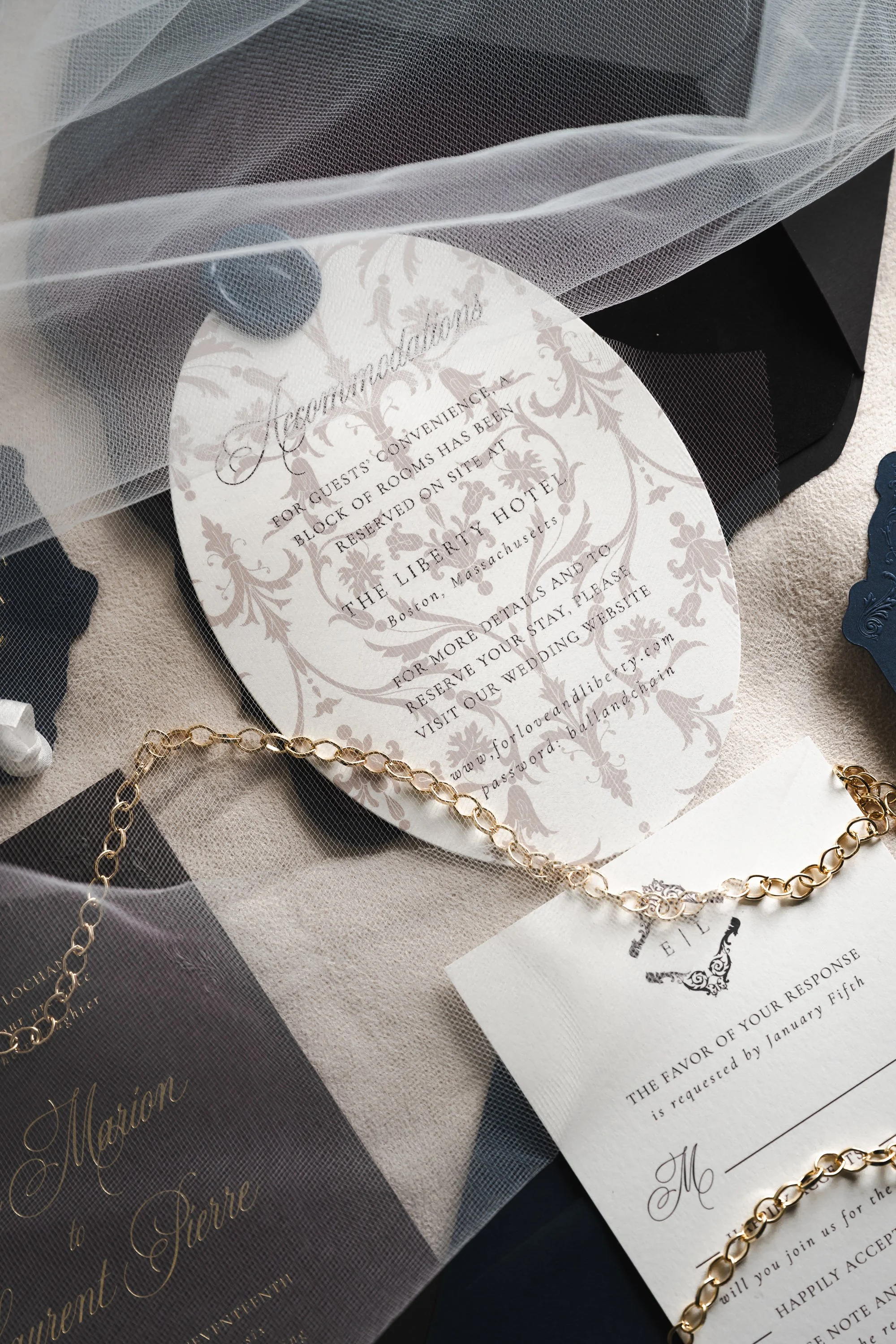
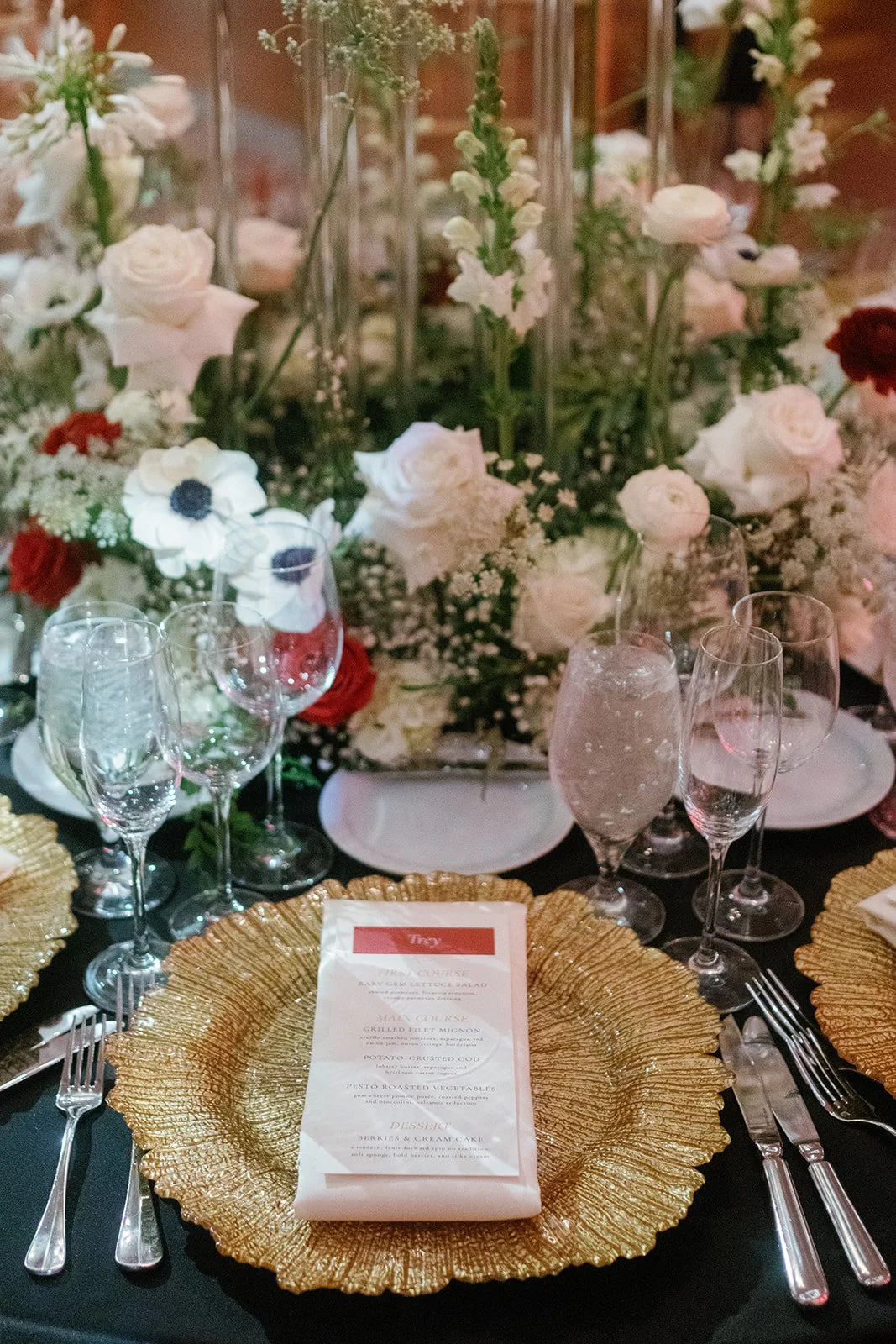
The invitation suite shouldn’t just be informative; it’s part of the design story. Textured and tonal paper combined with subtle detailing, make it feel like an extension of the overall aesthetic.
What This Means for Your Boston Wedding
If you’re planning a wedding in Boston, this shift toward texture and depth gives you an advantage. You’re not limited to trends because you’re working in a city that naturally supports creativity and design.
But executing this well requires intention.
It’s not about adding more. It’s about choosing the right materials, colors, and elements so everything works together. Anyone can choose a color palette. Very few couples create an atmosphere.
That’s the difference between following trends and translating them.
The goal isn’t to replicate what you see in fashion (or on Pinterest!). It’s to interpret the style in a way that makes sense for your wedding, your venue, and your experience.
